How long until you look normal again?
Pick one of nine treatments and the date you have it, or the date of an event you want to look your best for, and the planner draws your first 28 days: swelling, peeling, the sun window and the day results are expected. Every window carries its own date, the red flags that mean call today are named, and the plan saves as a picture.
What happens afterwards, day by day
Pick the treatment and the date. The planner lays out the swelling, the peeling, the sun window and the day results are expected, each with its own date. Microneedling and today are set as an example, so change them for your own.
What you have in the diary
Counting forwards from the appointment.
The treatment
The day of the appointment. Today is set for you.
Day 7until nothing shows
Your first 28 days
The timeline scrolls sideways if it does not fit.
Phase by phase
What to avoid, and until when
How it works.
- Choose a treatment, then the date you have it, or switch to an event date and let the planner count backwards.
- Read the 28 day timeline: visible downtime in one band, settling in the next, the result in gold, the sun window underneath.
- Work through the avoid list with its dates, and keep the written aftercare from your practitioner beside it.
Why the windows exist
Every aftercare rule tracks one of four things. Inflammation comes first: needles, acids and light injure the skin on purpose, and heat, heavy exercise and steam widen blood vessels while that response peaks in the first 24 to 48 hours. Barrier repair follows: after a chemical peel or microneedling the surface stays porous for 3 to 7 days, which is why retinoids, vitamin C and acids wait. Pigment is the third: UV on freshly injured skin is the main route to post-inflammatory hyperpigmentation, and the risk is higher in phototypes IV to VI, so a medium peel or a fractional laser asks for 4 weeks of strict sun avoidance rather than a few days. The fourth applies to injectables: hyaluronic acid filler wants 48 hours without pressure so it stays where it was placed, and botulinum toxin asks you to stay upright for 4 hours.
Social downtime is not biological healing
Two clocks run at once. Social downtime is how long you look treated: 2 to 5 days of flaking after a superficial peel, 7 to 10 days of peeling after a medium one, 2 days of redness after microneedling. Biological healing runs longer and quietly. Collagen remodelling after needling or fractional laser continues for 8 to 12 weeks, filler settles for 2 to 4 weeks, and botulinum toxin reaches its full effect at day 14. Laser hair removal keeps a clock of its own: the treated hairs shed between day 7 and day 21, and sessions sit 4 to 8 weeks apart. Planning around the visible half alone is what leaves people with an unfinished result on the day it matters.
Working backwards from a date
Start at the event and add margin for what varies. Bruising is the usual reason a plan fails: it takes 7 to 14 days to fade, so 21 days is the sensible minimum before an event for filler and 28 days if a bruise would be unacceptable. A first appointment in the week of a wedding is the classic mistake; the calmer order is a trial 3 to 6 months earlier, then the real one at the lead time this planner shows. What the planner cannot do is read your case. It works from typical aftercare ranges, not from the product, the depth, the settings or your own healing, so the written sheet from your practitioner always wins. Call them the same day if you see skin that turns white or dusky after filler, pain that grows instead of easing, redness that spreads, a fever, blistering, or any change in your vision.
Frequently asked.
Can I cover a bruise with makeup?
After an injection, usually from 24 to 48 hours, once the skin is closed: a yellow toned corrector under foundation covers more than another layer of foundation. After a peel or a laser, wait until the surface has stopped flaking, which is day 5 to day 7 for a superficial peel and about day 10 for a medium one.
Why is exercise on every avoid list?
Heat and raised blood pressure widen the vessels in skin that is already inflamed, which means more swelling, more redness and a higher chance of a bruise spreading. For injectables it also risks moving product in the first 48 hours, so 24 to 48 hours off is the usual instruction.
When can I use my retinoid and acids again?
The planner gives the date for each treatment: 5 days after microneedling, 7 days after a superficial peel or a fractional laser, 14 days after a medium peel. Start with one night, watch for stinging, and build back up rather than resuming the old routine in full.
The planner says day 7, but I am still red. What now?
These are typical ranges, not a schedule your skin agreed to, and healing that runs a few days long is common. Redness that spreads, grows more painful, blisters or comes with a fever is different: that is a same day call to your practitioner, not a wait and see.
How long before an event should I book?
Switch the planner to the event date and it counts back: 7 days for a superficial peel, 10 for microneedling, 14 for botulinum toxin, IPL and laser hair removal, 21 for filler, and 28 for a medium peel, a fractional laser or skin boosters. Add a week if it is a first appointment with a new practitioner.
Does the planner store my dates?
No. Everything is worked out in the page itself, nothing is written to your browser storage and nothing is sent anywhere. Reload the page and the example comes back.
Guides behind this tool
 Aesthetics
Chemical peels: superficial, medium and deep
Aesthetics
Chemical peels: superficial, medium and deep
 Aesthetics
Microneedling: evidence, sessions and downtime
Aesthetics
Microneedling: evidence, sessions and downtime
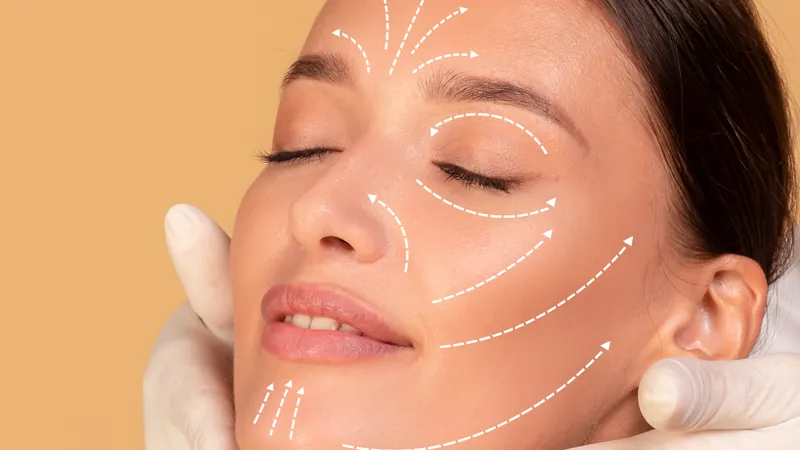 Aesthetics
Botulinum toxin injections: onset, duration and risks
Aesthetics
Botulinum toxin injections: onset, duration and risks
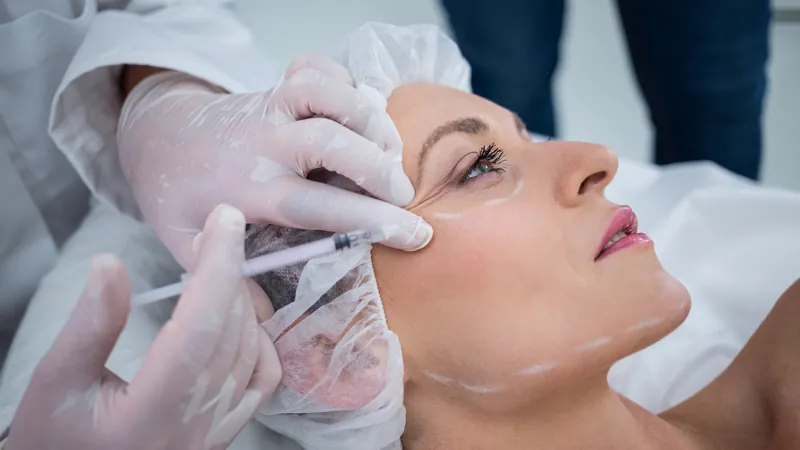 Aesthetics
Hyaluronic acid fillers: risks, red flags and reversal
Aesthetics
Hyaluronic acid fillers: risks, red flags and reversalMore tools
The Treatment Recovery Planner works from typical aftercare ranges for nine treatments. It does not know the product, the depth, the settings or how you heal, it cannot judge how your recovery is going, and it replaces neither a diagnosis nor the written aftercare from your practitioner. This page is for general information and does not replace advice from a dermatologist, physician or qualified practitioner.